Maximize Performance: Top Data Center Facility Operations Services for Peak Performance
Streamlining performance in data centers is necessary for organizations working to strengthen capability. Top Data Center Infrastructure Management (DCIM) services furnish essential features for instant monitoring and reporting. Solutions from ServiceNow, Sunbird, Schneider Electric, and Nlyte prove superior in this environment. These services not only supervise assets but also refine resource deployment. Understanding how to determine the right DCIM solution can achieve significant improvements. What considerations should organizations examine to make an strategic choice?
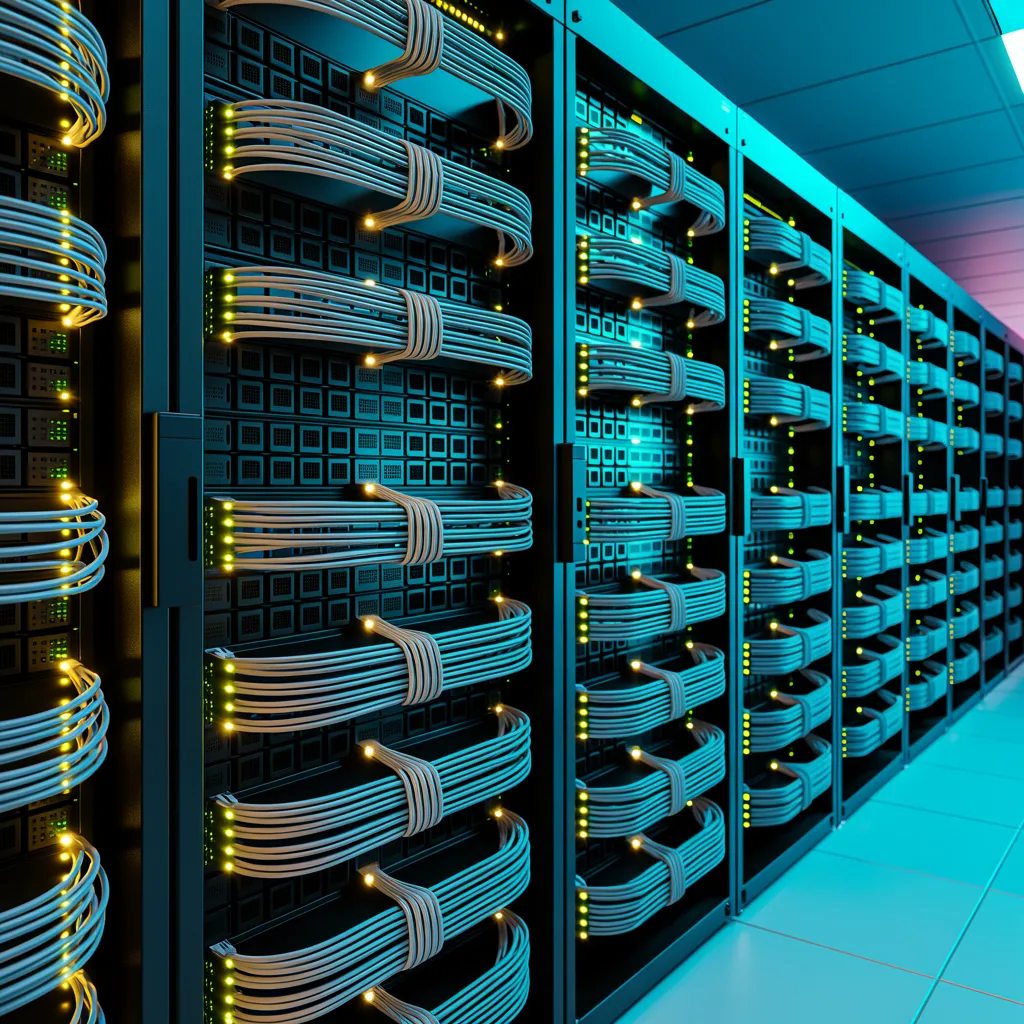
Best DCIM Solutions for 2023
As institutions increasingly rely on data centers to support their operations, pinpointing the finest Data Center Infrastructure Management (DCIM) tools for 2023 becomes vital. Leading DCIM services offer extensive packages meant to upgrade resource management, improve operational efficiency, and guarantee robust monitoring capabilities. Notable contenders in the market include ServiceNow, known for its integration capabilities, and Sunbird, which excels in real-time visualization and reporting. Additionally, Schneider Electric supplies a powerful platform for energy management and asset tracking.
Another important player, Nlyte, focuses on improving data center efficiency through advanced analytics. These services not only facilitate improved decision-making but also help in predicting future needs. As data demands continue to grow, selecting a DCIM service that offers scalability and versatility is critical. Ultimately, companies must evaluate their specific needs to select the most suitable DCIM service, ensuring optimal performance and reliability in their data management strategies.
Exploring Data Center system administration (DCIM)
Data Center Infrastructure Management (DCIM) covers a suite of tools and methodologies designed to monitor, manage, and optimize data center assets. By combining IT and facility management, DCIM provides thorough insight into the efficiency and usage of critical assets. This method facilitates real-time data collection, enabling operators to make informed decisions regarding power usage, cooling efficiency, and area allocation.
DCIM solutions typically include features such as inventory management, resource allocation, and environmental monitoring, which collectively enhance performance optimization. They empower facility administrators to detect bottlenecks, streamline workflows, and lower expenses. Furthermore, DCIM facilitates long-term preparation for growth initiatives and assists companies meet regulatory standards. By implementing effective DCIM methodologies, data centers can attain greater dependability, improved sustainability, and greater overall performance, eventually contributing to superior service provision in a rapidly evolving digital landscape.
Key Elements for Picking Powerful DCIM Solutions
Identifying effective Data Center Infrastructure Management (DCIM) solutions demands thorough consideration of critical features that enhance operational efficiency and asset optimization. Key attributes encompass real-time monitoring capabilities, allowing instant visibility into power usage and environmental conditions. Integration with current infrastructure is also vital, as seamless data exchange promotes a cohesive approach to data management.
Scalability represents another significant feature, enabling organizations to adapt as their infrastructure grows and transforms. Advanced analytics can deliver forecasting intelligence, facilitating proactive decision-making and minimizing downtime. Intuitive dashboards enhance accessibility for various stakeholders, while strong protective protocols safeguard sensitive data.
In conclusion, adjustment capabilities guarantee that DCIM services can be tailored to meet distinct institutional requirements. By prioritizing these essential features, businesses can identify DCIM services that not only maximize effectiveness but also foster continuous improvement and strategic advancement.
Determining the Ideal DCIM Solution to fit Your Particular Situation?
How might an organization determine the best DCIM solution designed to its individualized needs? The evaluation process initiates with a meticulous analysis of installed infrastructure and operational requirements. Organizations should establish specific goals, such as maximizing uptime, improving resource utilization, or streamlining capacity planning. Additionally, reviewing flexibility is important; a solution must adapt to prospective growth and technological advancements.
Following that, businesses must consider integration capabilities. The ideal DCIM solution should function smoothly with existing tools and platforms. Ease of use also matters significantly; clear interfaces boost user adoption and operational effectiveness.
Moreover, groups should study supplier backing and community participation, as ongoing assistance and capabilities can be important. In summary, running a value assessment ensures that the selected platform complies with financial parameters while furnishing the anticipated value. By pursuing these elements, organizations can confidently pick a DCIM product that meets their particular needs and optimizes overall performance.
Implementing DCIM Resources to Elevate Power Management
Leveraging DCIM tools can markedly boost operational efficiency within data centers. By delivering thorough understanding into power consumption and temperature management, these tools enable operators to recognize inefficiencies and optimize resource management. With immediate data on energy usage, data center managers can make informed decisions about equipment placement and thermal strategies, guaranteeing that energy is not lost.
DCIM systems also facilitate automated management of power loads, allowing for dynamic adjustments based on current demand. This adaptability can lead to significant reductions in energy costs. In addition, comprehensive analytics within DCIM tools can pinpoint areas for further improvement, advancing preventive actions rather than reactive approaches.
Incorporating these solutions into daily operations builds a mindset of perpetual advancement, ultimately driving toward a eco-friendlier data center environment. The consequence is not merely enhanced efficiency but also a reduced carbon footprint, matching with broader environmental goals.
Real-Time Monitoring : The Foundation of DCIM Success
Real-time tracking works as a vital factor in the accomplishment of Data Center Infrastructure Management (DCIM). By presenting advanced performance indicators, it permits active problem detection and enhancement of resource utilization. This ability ultimately produces better operational efficiency and consistency within data centers.
Optimized Performance Analytics
Assessing data center operational status constitutes a vital necessity for boosting operational efficiency and securing long-term stability. Advanced operational benchmarks convey important analytical insights concerning broad infrastructure domains, incorporating power efficiency parameters, thermal regulation success, and capacity management. Via accessing real-time analytics, corporate entities can gauge their system durability and responsiveness, supporting evidence-based choices. Monitoring indicators like infrastructure uptime, transmission delays, and bandwidth utilization prove effective for trend detection and establishing resource forecasts. Simultaneously, these indicators foster organizational responsibility, establishing direction for strategic efforts and budget allocation. Persistent performance analysis of system performance data benefits industry standardization versus performance benchmarks and nurtures a culture supporting ongoing evolution. At its foundation, superior performance indicators function as a foundational basis in robust infrastructure administration, yielding operational superiority and competitive advantage.
Proactive Issue Detection
Proactive problem identification is essential in upholding the stability of data center operations. By employing real-time monitoring tools, data centers can detect potential problems before they worsen into severe breakdowns. This strategy allows teams to act quickly to irregularities in temperature, power consumption, and equipment performance. Perpetual observation confirms that any variations from established norms are highlighted right away, enabling for immediate response. As a result, the overall dependability of the infrastructure is strengthened, decreasing downtime and safeguarding service quality. Moreover, preventive identification facilitates strategic planning regarding service plans and resource allocation, in the long term maximizing system performance. Allocating investment in robust monitoring solutions is vital for supporting optimal supplementary information functioning in current complex data environments.
Resource Consumption Optimization
Competent management of a data center's resources copyrights upon the ability to persistently analyze and track operational metrics. Real-time monitoring establishes the bedrock for enhancing resource utilization, enabling data center managers to identify inefficiencies and allocate assets effectively. By adopting advanced DCIM tools, organizations can gather essential information on power consumption, cooling efficiency, and workload distribution. This data enables for more informed decision-making, ensuring that resources are maximized to their fullest potential. Additionally, real-time analytics promote immediate adjustments to changing demands, minimizing waste and strengthening overall performance. Ultimately, effective resource utilization optimization not only strengthens operational efficiency but also contributes to sustainability goals, making it a crucial component of modern data center management strategies.
Next-Generation Advancements in Data Center Infrastructure Management
As data centers expand to address mounting demands for efficiency and output, emerging trends in Data Center Infrastructure Management (DCIM) are overhauling the sector. One key pattern is the implementation of artificial intelligence (AI) and intelligent algorithms, which strengthens forecasting capabilities for resource planning and power efficiency. These tools enable continuous monitoring and self-correcting responses to potential difficulties, substantially reducing service disruptions.
Furthermore, the adoption of edge computing is driving a transition in DCIM strategies, as businesses seek to analyze data closer to its source for better speed and efficiency. This necessitates advanced management tools to copyright performance across spread-out environments.
Sustainability continues to be at the forefront, emphasizing reducing carbon footprints and better resource consumption. In conclusion, the increase of hybrid cloud solutions demands more advanced DCIM systems that can smoothly manage both on-premises and cloud resources, ensuring peak operational efficiency.
Regularly Asked Inquiries
How Can I integrate DCIM With Existing Data Center Systems?
To combine DCIM with existing data center systems, one must examine current infrastructure, ensure compatibility, set up APIs for data exchange, and carry out thorough testing to validate seamless operation and improved management capabilities across platforms.
What Represents the Mean Investment of Setting Up DCIM Solutions?
The average cost of deploying DCIM solutions typically ranges between $20,000 and $150,000, depending on the scale of the data center, the complexity of the infrastructure, and the particular capabilities required for ideal management.
Are specific compliance standards required for DCIM Services?
Certainly, particular regulatory requirements exist for DCIM services, including ISO 27001 for data protection, PCI DSS for payment data security, and various environmental regulations that direct energy efficiency and eco-friendly operations within data centers.
How Often Should I Refresh My DCIM Software?
DCIM software modifications should take place at least once yearly, though quarterly updates are advised to guarantee maximum performance, enhanced protection, and conformity with advancing requirements. Routine assessments help identify when updates are essential for distinct business objectives.
Are DCIM Platforms Useful for Emergency Preparedness Planning?
DCIM tools offer substantial support in disaster recovery planning through continuous oversight, asset management, and scenario simulations. This makes certain that data centers are adequately prepared for potential disruptions, enhancing overall robustness and contingency approaches.